
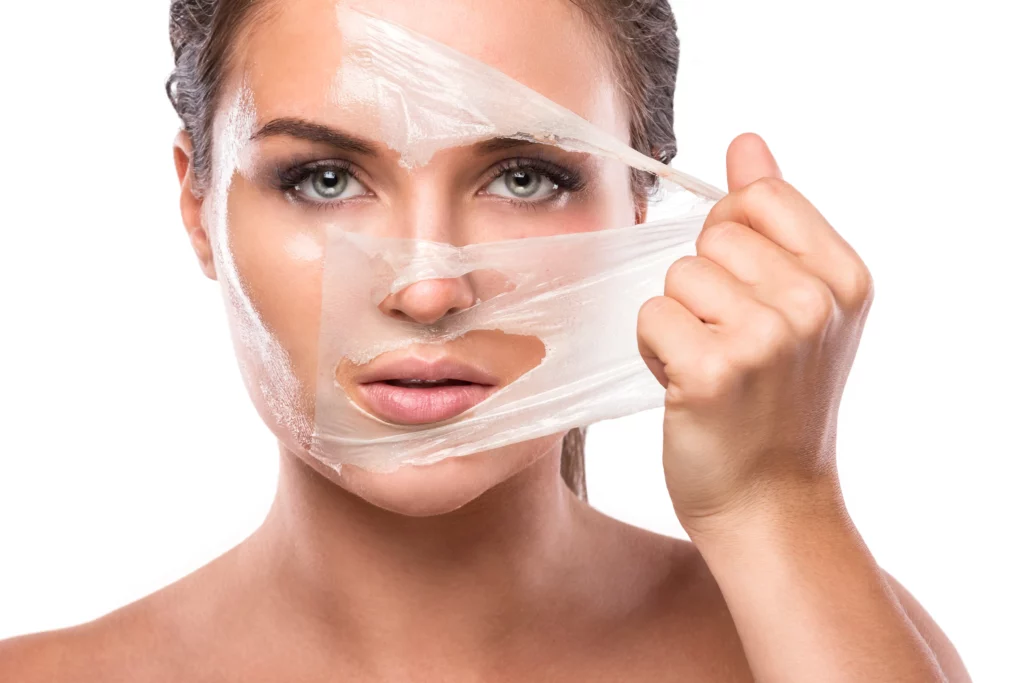
Skin is a living organ that constantly renews itself. New skin cells are produced in deeper layers of the epidermis, while older cells gradually move toward the surface. Eventually, these mature cells are shed as part of the body’s natural renewal process. This ongoing process is known as skin cell turnover.
Supporting normal skin cell turnover can help maintain a smoother, fresher, and more balanced-looking complexion. However, healthy turnover is not about forcing the skin to renew as quickly as possible. Excessive exfoliation or aggressive treatments can damage the skin barrier and create irritation. A balanced approach focuses on gentle skincare, adequate hydration, sun protection, nutrition, and healthy lifestyle habits.
What Is Skin Cell Turnover?
Skin cell turnover refers to the natural process through which old skin cells are replaced by newer cells. New cells develop in the deeper layers of the epidermis and gradually move toward the skin’s surface.
As these cells mature, they eventually become part of the outer protective layer. Older cells are naturally shed from the surface, allowing newer cells to take their place.
The speed of this process varies between individuals. Age, genetics, hormones, environmental exposure, skin conditions, and overall health can all influence the rate of skin renewal.
Why Normal Skin Cell Turnover Matters
Normal skin cell turnover helps maintain the structure and protective function of the skin. It also contributes to the appearance of the complexion.
When dead cells accumulate on the surface, skin may appear dull or feel rough. Supporting normal renewal can help maintain a smoother and more even-looking surface.
Healthy turnover is also connected with the skin’s ability to recover from everyday environmental stress. However, increasing turnover excessively is not necessarily beneficial. The goal should be balanced renewal rather than rapid shedding.
How the Skin Naturally Renews Itself
Skin renewal is a continuous biological process. Cells called keratinocytes are produced in the basal layer of the epidermis. As they move upward, they change and eventually contribute to the outermost protective layer.
The timing of this process can vary with age and other factors. Younger skin generally renews itself more quickly, while turnover may gradually slow with age.
This natural slowdown can contribute to changes such as rougher texture, dryness, and a less radiant appearance. Appropriate skincare can support the skin without attempting to completely override its natural biology.
Factors That Affect Skin Cell Turnover
Many factors can influence skin renewal. Age is one important factor, as cellular processes may become slower over time.
Environmental exposure can also affect the skin. Ultraviolet radiation, pollution, dry weather, and other environmental conditions may contribute to visible skin changes.
Certain medications and medical conditions can also influence skin cell production and shedding. Hormonal changes may affect the skin as well.
Lifestyle factors such as nutrition, sleep, stress, smoking, and hydration can contribute to overall skin health. Because many factors interact, there is no single method that guarantees a faster or better turnover rate.
The Role of Gentle Exfoliation
Exfoliation removes some dead cells from the skin’s surface. It can make the skin feel smoother and may improve the appearance of dullness.
There are two broad types of exfoliation. Physical exfoliation uses materials or tools to remove surface cells, while chemical exfoliation uses ingredients such as alpha hydroxy acids or beta hydroxy acids.
Gentle exfoliation can be useful for some people, but excessive exfoliation can damage the skin barrier. Scrubbing too hard or using strong exfoliating products too frequently may cause dryness, redness, burning, and irritation.
A suitable frequency depends on the individual’s skin type and the specific product.
Retinoids and Skin Renewal
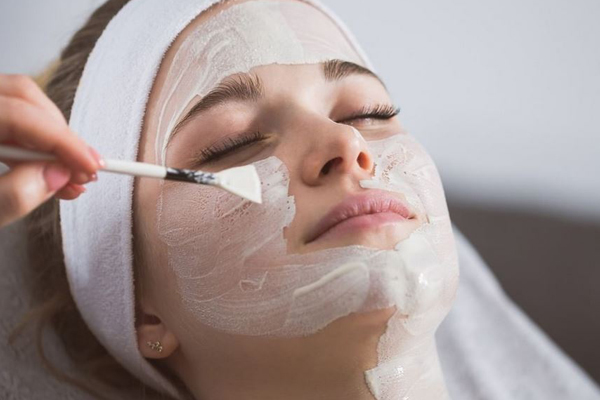
Retinoids are vitamin A derivatives widely used in dermatology and skincare. They influence processes involved in skin cell development and are commonly recommended for concerns such as acne, uneven texture, and signs of skin aging.
Retinoid products can initially cause dryness, peeling, or sensitivity. Introducing them gradually and using an appropriate moisturizer can help improve tolerance.
Not every person needs a retinoid, and different products have different strengths and uses. Prescription retinoids should be used under professional guidance.
People who are pregnant or planning pregnancy should consult a healthcare professional before using retinoid products.
Keeping the Skin Hydrated
Hydration plays an important role in maintaining the skin barrier. Well-moisturized skin often feels softer and more comfortable.
Moisturizers can help reduce water loss from the skin and support the protective barrier. Ingredients such as glycerin, hyaluronic acid, ceramides, and other moisturizing components may be included in different formulations.
Drinking adequate fluids supports overall health, although simply drinking excessive amounts of water does not necessarily improve the skin beyond normal hydration needs.
Using a moisturizer that suits the individual’s skin type can be a practical part of a skin renewal routine.
Nutrition and Healthy Skin
The skin requires nutrients to maintain normal structure and function. A varied, balanced diet provides protein, vitamins, minerals, healthy fats, and other nutrients needed by the body.
Protein is important because the skin contains structural proteins. Vitamins and minerals also participate in numerous biological processes involved in maintaining healthy skin.
Instead of relying heavily on individual supplements, focus on a varied diet containing vegetables, fruits, whole grains, protein sources, and healthy fats.
If someone has a suspected nutritional deficiency, a healthcare professional can provide appropriate testing and guidance.
Sun Protection and Skin Renewal
Sun protection is an important part of maintaining healthy-looking skin. Ultraviolet radiation can contribute to premature skin aging and other changes in skin appearance.
Regular use of broad-spectrum sunscreen can help reduce exposure to ultraviolet radiation. Protective clothing, hats, sunglasses, and shade can provide additional protection.
Sun protection is particularly important when using products that may increase skin sensitivity, such as certain exfoliating acids or retinoids.
A consistent sunscreen routine can help preserve the appearance of skin while supporting a broader approach to long-term skin health.
Exercise, Sleep, and Skin Health
Regular physical activity supports overall health and may contribute indirectly to healthy skin by supporting circulation and general well-being.
Sleep is also important for normal body processes. Poor or inadequate sleep can affect overall health and may contribute to a tired-looking complexion.
Stress management can be helpful as well. Chronic stress can influence various physiological processes and may aggravate certain skin conditions in some people.
These habits do not directly “speed up” skin turnover in a simple way, but they can support the body’s overall ability to maintain healthy skin.
Avoiding Common Skincare Mistakes
One of the most common mistakes is over-exfoliating. Removing surface cells too aggressively does not necessarily create healthier skin. Instead, it can weaken the protective barrier.
Using multiple strong active ingredients at the same time can also increase irritation. Introducing one new product at a time makes it easier to monitor how the skin responds.
Another mistake is neglecting sunscreen. Even a carefully designed skincare routine can be undermined by frequent unprotected sun exposure.
Harsh cleansers, very hot water, excessive scrubbing, and picking at the skin can also cause unnecessary irritation.
Building a Simple Skin Renewal Routine
A simple routine can provide a strong foundation for healthy-looking skin. In the morning, use a gentle cleanser if needed, followed by moisturizer and broad-spectrum sunscreen.
In the evening, cleanse the skin to remove makeup, sunscreen, oil, and environmental residue. A moisturizer can then help support the skin barrier.
If appropriate, a targeted ingredient such as a retinoid or gentle exfoliant can be introduced gradually. Avoid using several strong active ingredients simultaneously unless advised by a skincare professional.
The best routine is one that can be followed consistently without causing persistent irritation.
When to Seek Professional Advice
Persistent dryness, redness, peeling, unusual changes, severe acne, or other ongoing skin concerns may require professional evaluation.
A dermatologist can determine whether an underlying skin condition is affecting normal skin function and recommend appropriate treatment.
Professional guidance is especially useful when over-the-counter products have caused repeated irritation or when someone wants to introduce prescription-strength treatments.
Frequently Asked Questions
What is normal skin cell turnover?
It is the natural process in which new skin cells develop, mature, move toward the surface, and eventually shed.
Can exfoliation support skin cell turnover?
Gentle exfoliation can remove some surface dead cells and improve the feel and appearance of the skin. Excessive exfoliation can instead cause irritation.
Does aging affect skin cell turnover?
Yes. Skin renewal processes generally become slower with age, contributing to changes in texture and appearance.
Is moisturizer important for healthy skin?
Moisturizers can help support the skin barrier and reduce water loss, making them a useful part of a basic skincare routine.
Does sunscreen affect skin renewal?
Sun protection helps reduce ultraviolet exposure, which can contribute to premature skin aging and other skin changes.
How can I support normal skin cell turnover?
Use gentle skincare, moisturize regularly, protect your skin from the sun, eat a balanced diet, get adequate sleep, and avoid excessive exfoliation or harsh treatments.
